

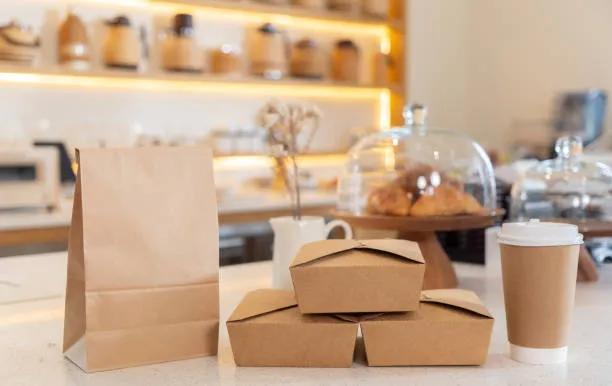
Food packaging plays an important role in the success of restaurants, cafés, food trucks, bakeries, and delivery businesses. Customers expect their meals to arrive fresh, clean, secure, and ready to enjoy. The right packaging can protect food during transport while also making the overall dining experience better.
Choosing suitable Takeaway packaging supplies is not only about putting food into a container. Businesses need to consider the type of food, portion size, delivery distance, storage needs, and customer expectations. Good packaging should be practical, safe, and easy to handle.
Why Food Packaging Matters
Takeaway meals often travel through busy streets before reaching customers. During this time, food containers can face movement, pressure, heat, moisture, and spills. Poor-quality packaging may cause leaks, damaged meals, or loss of temperature.
Strong packaging helps keep food in place and reduces the chance of messes. It can also separate different foods and protect sauces, toppings, and other ingredients.
Packaging also affects how customers see a food business. Clean and well-designed containers can create a more professional experience. Even simple packaging can leave a positive impression when it is neat, useful, and easy to open.
Common Types of Takeaway Packaging
Different meals require different packaging solutions. There is no single container that works well for every type of food.
Food Containers
Food containers are widely used for rice, pasta, noodles, curries, salads, and other prepared meals. They are available in different shapes, sizes, and materials. Containers with secure lids are especially useful for delivery because they help reduce leaks and spills.
Paper and Cardboard Boxes
Paper and cardboard boxes are popular for foods such as burgers, sandwiches, pizza slices, bakery items, and fried foods. They are lightweight and easy to stack. Some designs also include ventilation features that can help reduce condensation.
Cups and Bowls
Cups and bowls are useful for soups, desserts, salads, sauces, and smaller portions. Businesses can choose different sizes based on the type of food they serve. A properly fitted lid is important when these products are used for delivery.
Bags
Food packaging bags make it easier to carry several items together. They can be used for meals, bakery products, snacks, and drinks. Strong handles and suitable paper thickness can make bags easier for customers to carry.
How to Choose the Right Packaging
The best packaging depends on the food and how it will be served. Before buying packaging in bulk, businesses should consider several factors.
First, think about the food's temperature. Hot meals need packaging that can handle heat without becoming weak or difficult to handle. Cold foods may require packaging that helps maintain freshness.
Next, consider moisture and sauces. Foods with liquid ingredients need containers with secure closures. For crispy foods, ventilation can be useful because trapped steam may make the food soft.
Size is another important factor. A container that is too large can allow food to move around, while one that is too small may damage the meal. The right size helps control portions and improves presentation.
Material Choices
Packaging materials have different benefits and limitations.
Plastic containers are lightweight, durable, and commonly used for a wide range of foods. Paper and cardboard options offer a simple appearance and can work well for many dry or prepared foods. Some businesses also choose plant-based or recyclable materials as part of their packaging strategy.
When selecting materials, businesses should consider food safety, durability, storage, and disposal requirements. Packaging should always be suitable for its intended food application.
Buying Packaging in Bulk
Wholesale purchasing can be useful for restaurants and other food businesses that use packaging regularly. Buying larger quantities may help maintain a steady supply and reduce the need for frequent orders.
However, businesses should not focus only on the price per unit. Storage space, product quality, container size, lid compatibility, and shipping costs can all affect the overall value.
It is also helpful to test packaging before placing a large order. Fill the containers with actual menu items and check for leaks, spills, heat resistance, stacking, and ease of opening.
Improving the Customer Experience
Good packaging should make the customer's experience easier. Containers should be simple to open but secure enough to prevent accidental spills. If several items are included in one order, packaging should help keep everything organized.
Labels can also provide useful information such as food names, preparation details, allergens, or reheating instructions. Clear labeling can reduce confusion and make orders easier to identify.
For businesses using delivery services, packaging should also be strong enough to handle normal transportation conditions.
Sustainable Packaging Considerations
Many food businesses are paying more attention to packaging waste. Choosing materials that can be recycled or responsibly disposed of may help reduce the environmental impact of takeaway operations.
Businesses should look beyond packaging claims and understand local recycling rules. A material may be technically recyclable but not accepted by every local recycling program.
Reducing unnecessary packaging can also make a difference. Using the correct container size and avoiding excessive layers can help reduce waste while keeping food protected.
Tips for Managing Packaging Supplies
A simple inventory system can prevent packaging shortages. Businesses should track frequently used containers, bags, lids, cups, and boxes. Keeping a small safety stock can help during busy periods.
Packaging should also be stored in a clean, dry area away from chemicals and other materials that could affect food safety. Containers and lids should remain protected until they are ready for use.
Regularly reviewing packaging performance is another useful habit. If customers report leaks, broken containers, or difficult-to-open lids, it may be time to consider another option.
FAQs
What should I consider when buying takeaway packaging?
Consider the type of food, container size, material, temperature, moisture, durability, storage requirements, and disposal options. Testing packaging with real menu items before buying in bulk is also recommended.
Are paper containers suitable for hot food?
Many paper-based containers are designed for hot foods, but suitability depends on their construction and intended use. Always check the manufacturer's specifications before using them for very hot or oily meals.
How can I prevent takeaway food from leaking?
Choose containers with secure-fitting lids and suitable seals. Match the container to the food, especially when serving soups, sauces, curries, or other liquid-heavy meals.
Is buying food packaging in bulk a good idea?
Bulk purchasing can be useful for businesses with regular packaging needs. However, consider storage space, product quality, shipping costs, and actual usage before ordering large quantities.
How can food businesses reduce packaging waste?
Businesses can select appropriately sized containers, avoid unnecessary layers, use recyclable or suitable alternative materials where practical, and follow local disposal and recycling guidelines.
Conclusion
The right Takeaway packaging supplies can help protect food, simplify delivery, improve presentation, and create a better customer experience. Businesses should choose packaging based on their menu, operating needs, budget, and storage capacity rather than selecting products based only on price. With practical planning and careful product testing, Packaging & Display USA can support food businesses in finding packaging solutions that balance quality, convenience, and everyday performance.