

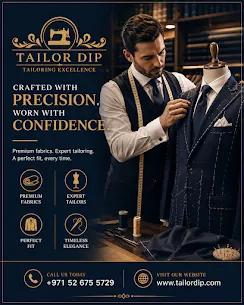
A well-made pair of trousers can make a big difference to your everyday comfort and appearance. Whether you wear trousers for work, family gatherings, formal events, or daily activities, the right fit helps you feel confident and comfortable.
Traditional tailoring focuses on careful measurements, suitable fabrics, neat stitching, and attention to small details. Unlike ready-made trousers, custom-stitched trousers can be adjusted to suit your body shape, personal style, and daily needs.
If you are looking for Traditional Trouser Stitching in Dip, understanding the tailoring process can help you make better choices. From selecting fabric to checking the final fitting, every step plays a role in creating trousers that look good and feel comfortable.
What Is Traditional Trouser Stitching?
Traditional trouser stitching is a tailoring method that focuses on creating trousers according to a person's measurements and preferences. A tailor carefully cuts and stitches the fabric to achieve the required shape, length, and style.
This process allows customers to choose details such as waistband design, pocket style, leg width, and overall fit.
Traditional tailoring also gives attention to finishing. Neat seams, secure buttons, and properly shaped hems help trousers look clean and professional.
Why Custom Stitching Matters
Ready-made trousers are produced in standard sizes. However, every person has a different body shape. Some people need extra room around the waist, while others may require a different leg length or thigh measurement.
Custom stitching helps address these differences. A tailor can adjust the garment to provide a more balanced fit without making it too tight or too loose.
Benefits of Traditional Trouser Tailoring
A Better Personal Fit
One of the main benefits of tailored trousers is the ability to match the garment to your measurements.
A tailor checks important areas such as the waist, hips, thighs, knees, and trouser length. These measurements help create trousers that sit comfortably and allow easy movement.
A proper fit also improves the overall appearance of your clothing. Trousers that fall neatly and sit correctly at the waist can make an outfit look more polished.
Choice of Fabric and Design
Custom stitching gives you more control over the final garment.
You can select fabric according to the season, occasion, and personal preference. Lightweight cotton may suit everyday wear, while wool blends can work well for formal clothing.
You can also discuss design features with your tailor, including:
Straight or slim leg styles
Pleated or flat-front designs
Different pocket styles
Belt loops or adjustable waist details
Cuffed or plain hems
These choices help you create trousers that suit your wardrobe.
Attention to Stitching Quality
Good stitching is important for both comfort and durability. Strong seams help trousers handle regular use, while careful finishing reduces the chance of loose threads and uneven edges.
A skilled tailor checks the garment during different stages of production. This helps identify fitting or construction problems before the trousers are completed.
Choosing the Right Fabric for Your Trousers
Fabric selection is an important part of tailoring. The right material can improve comfort, appearance, and how well the trousers suit a particular occasion.
Cotton for Everyday Wear
Cotton is a popular choice for casual trousers because it feels comfortable and works well in many everyday settings.
It is suitable for regular use, although the fabric weight and weave can affect how breathable and durable the trousers feel.
Wool Blends for Formal Clothing
Wool and wool-blend fabrics are often used for formal trousers. They can provide a neat appearance and work well with shirts, waistcoats, and jackets.
For office wear or special occasions, choose a fabric that feels comfortable while maintaining its shape.
Consider the Season
In warmer weather, lightweight and breathable fabrics may feel more comfortable. During cooler months, thicker materials can provide additional warmth.
Ask your tailor about fabric care before making a choice. Some materials need special cleaning, while others can be washed at home according to their care instructions.
Understanding the Trouser Stitching Process
Step 1: Taking Measurements
The tailor begins by measuring your body. Accurate measurements help determine the waist size, seat, thigh width, leg length, and other important details.
Wear suitable clothing during measurement so the tailor can assess the fit correctly.
Step 2: Selecting the Style
Next, discuss the design you want. Explain whether you need trousers for everyday wear, office use, weddings, or formal events.
Bring a reference photograph or an existing pair of trousers if you have a preferred fit.
Step 3: Cutting and Stitching
After selecting the fabric and design, the tailor cuts the material according to your measurements.
The pieces are then stitched together, and important details such as pockets, waistbands, and hems are added.
Step 4: Final Fitting
A fitting allows you to check how the trousers sit and move.
Walk, sit, and bend slightly to see whether the garment feels comfortable. If the waist, length, or leg width needs adjustment, discuss it with the tailor before the final finishing.
How to Choose a Trouser Tailor in Dip
Choosing a suitable tailor involves more than comparing prices. Look for someone who listens carefully and understands the style you want.
Ask about the stitching process, expected completion time, and whether fitting adjustments are included.
You can also check examples of previous work, if available. Pay attention to straight seams, even hems, neat pockets, and balanced trouser legs.
Clear communication is especially important. Explain your preferences before stitching begins so the tailor understands the expected result.
Caring for Your Tailored Trousers
Proper care can help your trousers maintain their shape and appearance.
Follow the fabric's washing and cleaning instructions.
Avoid using excessive heat when ironing.
Hang trousers properly after wearing them.
Empty pockets before washing or storing them.
Repair loose buttons or small seam problems early.
Allowing trousers to rest between wears can also help reduce unnecessary wear, especially when you use the same pair regularly.
Frequently Asked Questions
1. How long does custom trouser stitching take?
The time depends on the tailor's workload, fabric, and design. Ask for an estimated completion date when placing your order.
2. Can I choose my own trouser design?
Yes. Custom tailoring usually allows you to discuss details such as leg shape, pockets, waistband, pleats, and trouser length.
3. Is custom-stitched clothing better for an unusual body shape?
Custom stitching can help accommodate individual measurements and fitting needs. The final result depends on accurate measurements, fabric choice, and the tailor's skill.
4. What fabric is suitable for daily trousers?
Cotton and cotton blends are common choices for everyday trousers. The best option depends on your comfort, local weather, and how often you plan to wear them.
5. Should I attend a fitting before collecting my trousers?
Yes, when possible. A fitting gives you a chance to check comfort, length, and movement and request any necessary adjustments.
Conclusion
Traditional tailoring offers a practical way to create trousers that suit your measurements, clothing preferences, and everyday needs. By choosing suitable fabric, discussing the design clearly, and checking the final fitting, you can enjoy trousers that provide comfort and a neat appearance. For people exploring local tailoring options, Tailor Dip is a name to consider when looking for personalised trouser stitching and fitting services.