

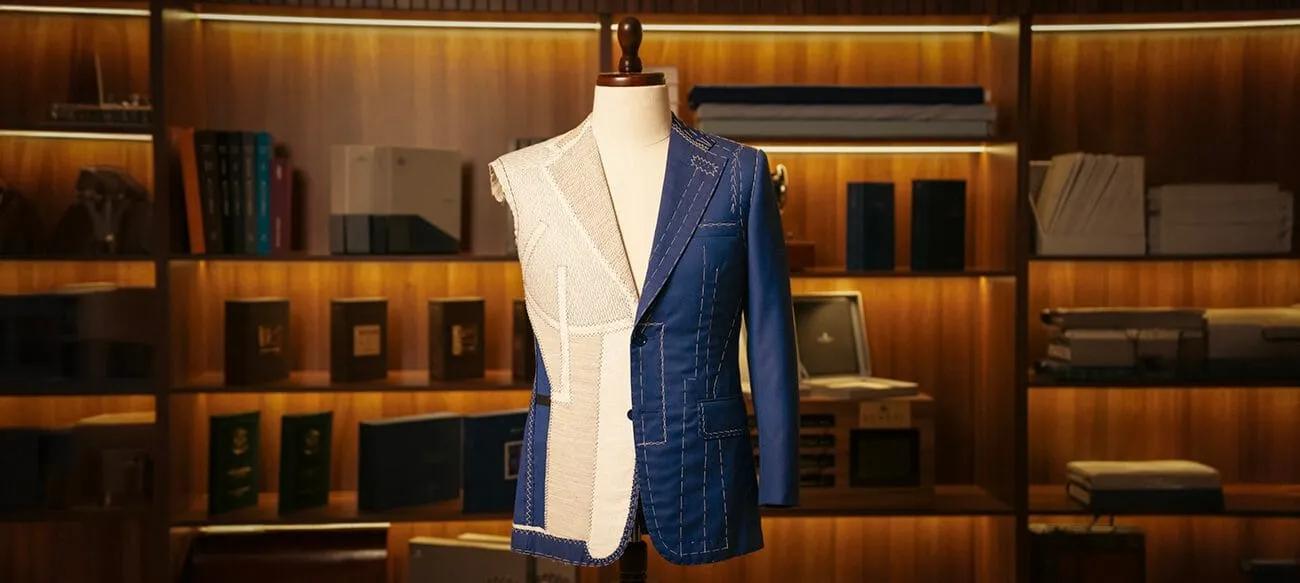

Well-fitted trousers can make a noticeable difference to your overall appearance and comfort. However, finding a pair that fits perfectly straight from the shop is not always easy. Trousers may be too long, loose at the waist, or slightly uncomfortable around the legs. Hand Stitch Trouser Alterations provide a careful way to adjust these issues while preserving the original appearance and structure of the garment.
Hand stitching has been used in tailoring for generations and remains valuable for garments that require detailed, controlled work. While modern sewing machines are useful for many alterations, certain adjustments can benefit from the precision and flexibility of hand sewing.
What Are Hand Stitch Trouser Alterations?
Hand stitch trouser alterations involve using needle and thread to modify specific parts of a pair of trousers. Depending on the garment and required adjustment, hand stitching may be used for hems, seams, waist adjustments, repairs, or finishing details.
The main advantage is the level of control available to the tailor. Each stitch can be carefully positioned according to the fabric and construction of the trousers. This can be particularly helpful when working with delicate materials or areas where a visible machine stitch may not provide the desired finish.
The objective is not simply to change the size of the trousers but to create an alteration that looks natural and maintains the garment's original character.
Why Choose Hand Stitching?
Hand stitching offers several advantages for certain types of trouser alterations. One important benefit is precision. A tailor can make small adjustments gradually rather than removing too much fabric at once.
Hand sewing can also be useful when a discreet finish is required. For example, a trouser hem can sometimes be finished with carefully placed stitches that are less noticeable from the outside.
Another benefit is flexibility. Some garment areas can be difficult to access with a sewing machine, particularly when working around existing construction or detailed finishes. Hand stitching allows the tailor to work in these areas with greater control.
Common Trouser Alterations Performed by Hand
Several types of adjustments may involve hand stitching.
Trouser Hemming
One of the most common alterations is shortening trousers. If the legs are too long, the hem can be adjusted to the preferred length. Hand stitching may provide a neat and subtle finish, particularly for formal trousers.
Waist Adjustments
Trousers that are slightly loose around the waist can often be taken in. Careful stitching helps maintain the shape of the waistband and surrounding areas.
Seam Repairs
Loose or damaged seams can make trousers uncomfortable or unsuitable for regular wear. Hand stitching can reinforce certain seams and help restore the garment's usability.
Leg Adjustments
If trousers are too wide in specific areas, a tailor may adjust the side or inner seams. The alteration needs to be balanced across the legs so that the trousers retain a natural appearance.
Finishing Details
Hand stitching can also be used for small finishing tasks where precision is more important than speed. These details can contribute to a cleaner overall appearance.
The Importance of Proper Measurements
Accurate measurements are essential for successful trouser alterations. Before beginning the work, the tailor needs to understand exactly how the trousers should fit.
For length adjustments, the preferred trouser break and footwear may be considered. For waist alterations, the tailor needs to determine how much excess material should be removed without making the garment restrictive.
Measurements should be taken carefully because even a small change can affect the way trousers sit on the body. Professional assessment helps prevent unnecessary alterations and supports a more comfortable final fit.
Choosing the Right Stitch for the Fabric
Different fabrics require different approaches. Lightweight materials may need delicate stitching, while heavier fabrics such as denim require stronger techniques.
Formal trousers may benefit from a subtle finishing stitch, while casual trousers can have a more visible or durable construction depending on their design.
The tailor should also consider the original stitching and construction of the garment. Matching the existing finish can help the alteration blend naturally with the original design.
Hand Stitching for Formal and Special Trousers
Formal trousers often require extra attention because small imperfections can be easily noticed. When trousers are being prepared for a wedding, business event, formal dinner, or other special occasion, a clean fit is especially important.
Hand stitching can be useful for making subtle finishing adjustments without changing the overall appearance of the garment. A carefully altered pair of trousers can sit more naturally and complement the rest of an outfit.
Benefits of Professional Trouser Alterations
Choosing a professional tailor for trouser alterations offers several advantages:
More accurate measurements
Controlled and precise stitching
Better garment proportions
Neater finishing
Improved comfort
Extended clothing lifespan
Personalised fitting
Professional alterations can also be more practical than replacing trousers that are otherwise in excellent condition. A quality pair that only needs a small adjustment can often be improved rather than discarded.
How to Get the Best Results
Before handing trousers to a tailor, it is useful to explain exactly what feels uncomfortable or what you want to change. If the trousers are being shortened, bringing the shoes normally worn with them can help determine an appropriate length.
It is also important not to request excessive tightening. Trousers should provide enough room for sitting, walking, and everyday movement. The best alteration creates a balanced fit rather than simply making the garment as tight as possible.
A professional tailor can recommend the most suitable approach after examining the fabric, construction, and desired result.
Frequently Asked Questions
What are Hand Stitch Trouser Alterations?
They are clothing adjustments performed partly or entirely by hand using a needle and thread. They can include hemming, waist adjustments, seam repairs, and detailed finishing.
Can trousers be shortened by hand?
Yes. Trouser hems can be carefully shortened and finished by hand, particularly when a subtle or traditional finish is preferred.
Is hand stitching suitable for expensive trousers?
Hand stitching can be suitable for high-quality or formal trousers when careful finishing is required. The appropriate technique depends on the fabric and garment construction.
Can hand stitching fix a loose trouser waist?
Yes, in many cases a loose waist can be adjusted. The tailor will assess the waistband and surrounding construction before deciding how much to alter.
Are hand stitched alterations durable?
When performed correctly with suitable thread and stitching techniques, hand alterations can be durable. The appropriate method depends on the fabric and area being altered.
How much can trousers be altered?
The possible adjustment depends on the original garment construction and available seam allowance. A tailor can assess the trousers and explain what changes are practical.
Choose Tailor Dip for Quality Trouser Alterations
A good pair of trousers deserves a good fit. Whether you need a discreet hem, a waist adjustment, seam repair, or another modification, careful tailoring can improve both comfort and appearance. Tailor Dip provides professional clothing alteration and tailoring solutions with attention to accurate fitting, neat finishing, and individual requirements, helping customers get more wear and confidence from their favourite trousers.